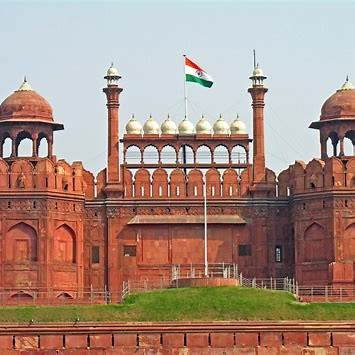
1. Red Fort (Lal Qila)
What it is / History
- Built by Mughal Emperor Shah Jahan between 1639-1648 when he moved his capital from Agra to Delhi.
- Designed by Ustad Ahmad Lahori, same architect involved in Taj Mahal.
- Made largely of red sandstone (hence “Red Fort”). It’s a classic example of Mughal architecture combining Persian, Timurid, and indigenous Indian styles.
Key Features / What to See
- Lahori Gate is the main entrance.
- Delhi Gate is another entrance.
- Chhatta Chowk: a covered bazaar just behind Lahori Gate where historically there were shops selling luxury goods for the royal court.
- Diwan-i-Aam (Hall of Public Audience): where the emperor met common people. royal business.
- Other structures within the fort: Moti Masjid, Mumtaz Mahal, Rang Mahal etc.
Significance Today
- It’s a UNESCO World Heritage site.
- On Independence Day (15 August), India’s Prime Minister hoists the national flag at the fort’s ramparts and gives a speech.
- There is a sound-and-light show in evenings which narrates the history of Delhi and of the fort.
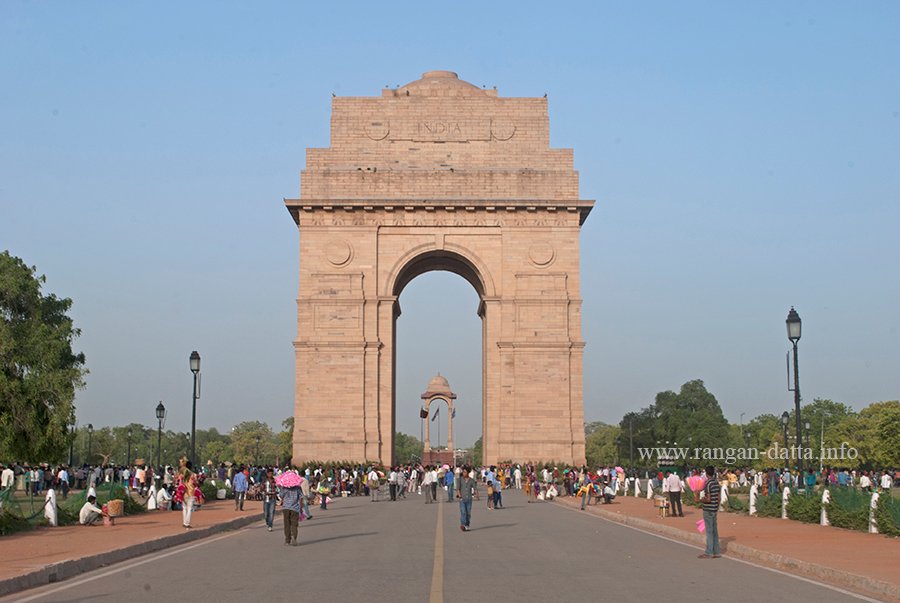
2. India Gate
What it is / History
- A war memorial, designed by architect Edwin Lutyens, built in the early 20th century.
- It commemorates the Indian soldiers who died in World War I (and some in the Afghan war of 1919). Names of many soldiers are inscribed on the walls.
Features
- It is 42 metres high.
- At the base is the Amar Jawan Jyoti (the eternal flame) added after India’s independence, to honour the unknown soldiers.
- Surrounding it are large lawns (Rajpath area) that are popular places for strolling, photography, especially in evenings.
Why go
- It’s often included in evening city circuits. Beautiful when lit up.
- Free to visit, accessible 24/7. Great spot for relaxing after visiting other monuments.
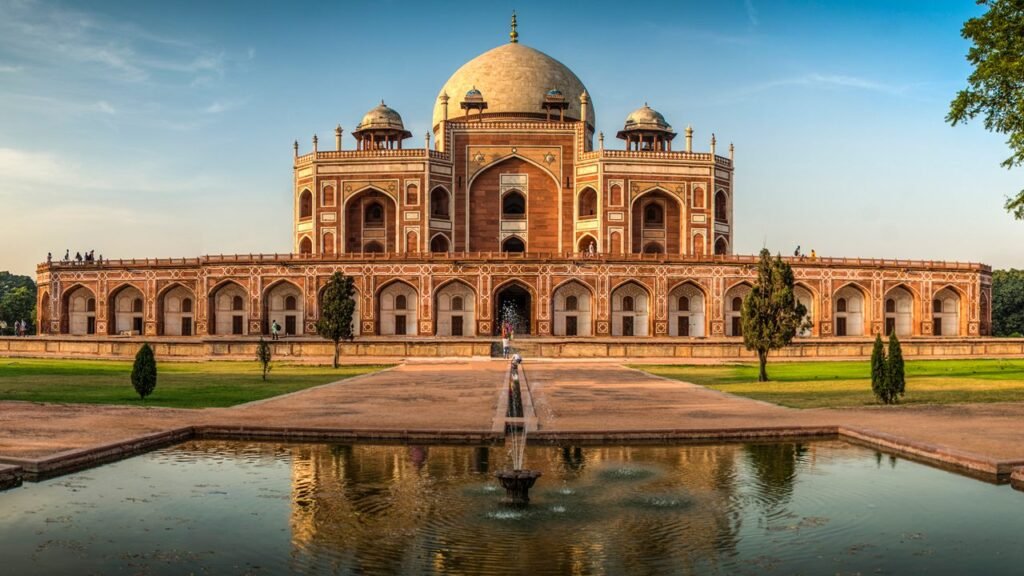
3. Humayun’s Tomb
History
- Built in 1565-1570 by Haji Begum, widow of Emperor Humayun.
- It is one of the earliest examples of a “garden tomb” in the Indian subcontinent, and strongly influenced later Mughal architecture (notably the Taj Mahal).
Design & Architecture
- Constructed of red sandstone and white marble. Skilled inlays, lattice work (jaalis), arched vaults, etc.
- Layout includes a large Persian style garden (charbagh) divided into four parts by walkways and water channels.
- Dome is double-layered, high vaulted terraces.
What to Experience
- Peaceful ambience: gardens, fountains, shady trees.
- Views from garden around: good for photos.
- On some days magazine exhibits or lighting in evenings.
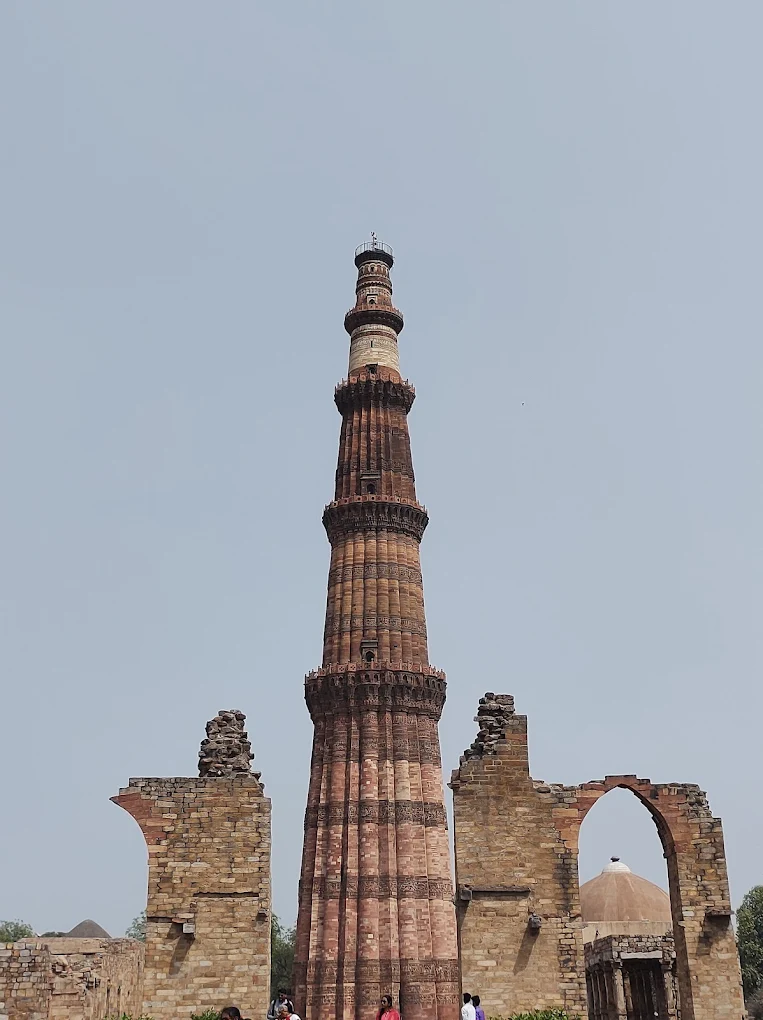
4. Qutub Minar
What it is / History
- A tall brick minaret built in early 13th century by Qutb-ud-din Aibak, later work continued by Iltutmish.
- Part of the Qutub complex, which includes mosques, tombs, and ancient ruins.
Features
- Height: about 72.5 – 73 metres.
- At its base is also the Iron Pillar — noteworthy because it’s very old, doesn’t rust, metallurgically interesting.
Why it’s special
- It’s UNESCO World Heritage.
- Great example of Indo-Islamic architecture.
- The complex around it (ruins, gardens) gives a sense of the scale and history.
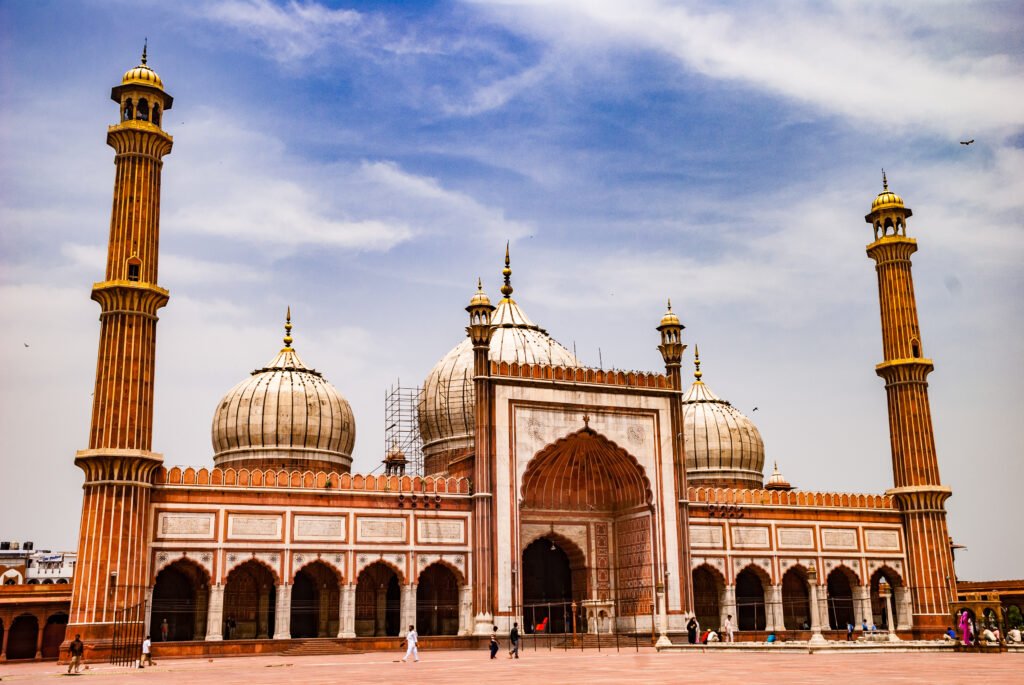
5. Chandni Chowk & Jama Masjid
(Although I said “Chandni Chowk & Jama Masjid” together previously, here’s a breakdown)
Jama Masjid
- Built by Shah Jahan (same emperor who built Red Fort) between ~1644-1656.
- One of the largest mosques in India. It has a large courtyard that can hold tens of thousands of worshippers.
Chandni Chowk
- Historic market area in Old Delhi, established by Shah Jahan when he founded Shahjahanabad.
- It runs from the Red Fort (Lahori Gate) westwards.
- Full of narrow alleys, bazaars, food stalls, shops selling spices, textiles, electronics, etc. Very lively, crowded, very “Delhi” in character.
What to enjoy
- Trying local street-food: parathas, chaat, jalebis etc.
- The smells, sounds: rickshaws, markets, old shops. Very sensory.
- The view of Jama Masjid, especially at sunset, is impressive. The climb to the tower gives you views of Old Delhi.
Leave a Reply